
Proton Meet Gives Europe a Zoom Alternative With Real Privacy
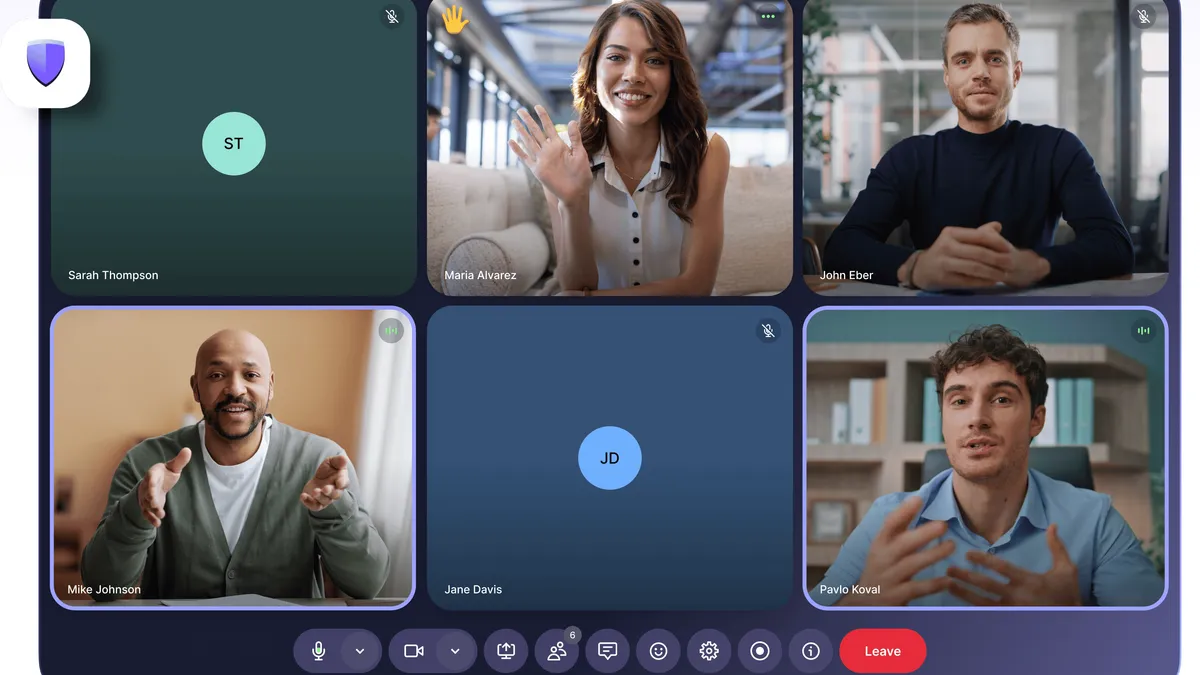
Proton Mail parent company Proton AG launched Proton Meet on March 31, 2026, adding end-to-end encrypted video conferencing to its privacy suite. The service supports meetings of up to 50 participants on the free tier and is available immediately to all Proton users.
Proton Meet uses the Messaging Layer Security (MLS) protocol for encryption. MLS is an open standard designed for group communication, which means even Proton itself cannot access the content of calls. The entire implementation is open-source, consistent with Proton's approach across its other products.
What MLS Encryption Actually Means
Most mainstream video conferencing tools encrypt data in transit but retain the ability to access call content on their servers. Zoom introduced end-to-end encryption as an optional feature in 2020 after significant public pressure, but it remains off by default for most users and disables certain features when enabled.
Proton Meet's use of MLS is different in a structural sense. The protocol was designed from the ground up for group encryption, handling the complexity of participants joining and leaving calls without compromising the encryption state. Because it's an open standard, independent researchers can audit the implementation rather than relying on the company's claims.
For organizations that handle sensitive information, whether legal, medical, or financial, this distinction matters. The question is not just whether data is encrypted during transmission, but whether the service provider can be compelled to hand over call content under legal pressure.
The Jurisdiction Question
Proton is incorporated in Switzerland, which has some of the strongest privacy protections in Europe. Swiss data protection law is not subject to the EU's internal political dynamics, and Switzerland is not party to intelligence-sharing agreements like Five Eyes.
Zoom, Google Meet, and Microsoft Teams are all US-based services subject to the CLOUD Act, which allows US authorities to compel disclosure of data stored by American companies regardless of where the data is physically located. For European businesses and institutions handling confidential communications, this creates a compliance gap that encryption alone does not fully resolve.
Practical Considerations
Proton Meet offers a tiered structure that balances accessibility with advanced professional needs. The Free tier supports meetings of up to 50 participants for up to 60 minutes. For users requiring more robust capabilities, the Meet Professional plan (€7.99/month billed annually) extends meeting durations to 24 hours and increases the participant limit to 100. This tier also unlocks essential productivity features, including meeting recording, screen sharing, a built-in chat, and an appointment scheduling tool.
For organizations seeking a full-stack solution, the Workspace Standard and Premium plans integrate Meet with the broader Proton ecosystem. These plans scale participant limits up to 250 and bundle the conferencing tool with up to 3 TB of storage, custom email domains, and Lumo, Proton’s private AI writing assistant.
The service integrates natively with Proton Drive, Proton Calendar, and Proton Mail. For organizations already using Proton's suite, adding encrypted video conferencing fills a significant gap in their security architecture. For those actively moving away from US-based collaboration tools, Proton Meet provides a primary, sovereign alternative that competes directly with Whereby and Livestorm.
While Proton often prioritizes security over "feature bloat," the inclusion of recording, breakout rooms, and AI-assisted productivity suggests they are targeting the enterprise market more aggressively than with previous launches. By combining Swiss jurisdiction with the MLS protocol, Proton Meet offers a "privacy-by-default" case that Zoom or Teams simply cannot match structurally. For any business where confidentiality is a legal or operational requirement, Proton has effectively moved the goalposts for what "secure collaboration" looks like.
Sources
- Proton Meet: end-to-end encrypted video conferencing — Proton Blog, March 31, 2026
- Proton Meet security model — Proton Blog, March 31, 2026
Share this article
EU Alternatives Mentioned

Proton Mail offers secure email services with a focus on privacy and digital freedom. It provides encrypted email communication to protect users from spam, tracking, and ads. Proton Mail is part of a suite of tools designed to safeguard personal and business data.
Proton VPN is a Swiss-based VPN service built by the team behind Proton Mail — the same CERN scientists who created the world's largest encrypted email service in 2014. With 12,000+ servers across 120+ countries, it offers both a genuinely free tier (no ads, no logs, unlimited bandwidth) and a paid plan with streaming optimization, ad/tracker blocking (NetShield), and advanced routing through privacy-friendly countries (Secure Core). All apps are open source and the no-logs policy is independently audited with public reports. Rated 4.6 on both the App Store and Google Play.

Proton Drive is a secure cloud storage service that allows users to store, share, and collaborate on files with end-to-end encryption. It offers features like file syncing, secure file sharing, and online document editing. Proton Drive is based in Switzerland and is protected by European privacy laws.
Stay secure and save time with Proton Pass, designed to help you store important files securely and easily while organizing your digital life. It supports features like email aliases and integrated 2FA for enhanced security.
Proton Meet is end-to-end encrypted video conferencing from Swiss privacy company Proton AG. Uses MLS encryption so even Proton cannot access your calls. Free for up to 50 participants. Also bundled with Proton Mail Plus, Proton Unlimited, Proton Duo, and Proton Family plans.
Also Mentioned
Google Meet is a video conferencing tool that is part of Google Workspace. It offers solutions for individuals, small businesses, startups, and large enterprises. Users can conduct online meetings and video calls securely, with features designed to enhance productivity and collaboration.
Whereby provides secure and user-friendly video calling services designed for individuals, teams, and enterprises. It offers customizable and reliable WebRTC video calls with features like screen sharing, file sharing, and chat. The platform is European owned and emphasizes privacy and security, being GDPR and HIPAA compliant.
Video conferencing platform for meetings, webinars, and virtual events. Supports screen sharing, recording, breakout rooms, and chat.
Business communication platform combining chat, video meetings, file storage, and app integrations within the Microsoft 365 ecosystem.
Experience the all-in-one video engagement platform to create and manage your virtual meetings, video conferencing, webinars, virtual events, and screen sharing.
Explore More EU Alternatives
Discover hundreds of European alternatives across all categories.
Browse All Categories